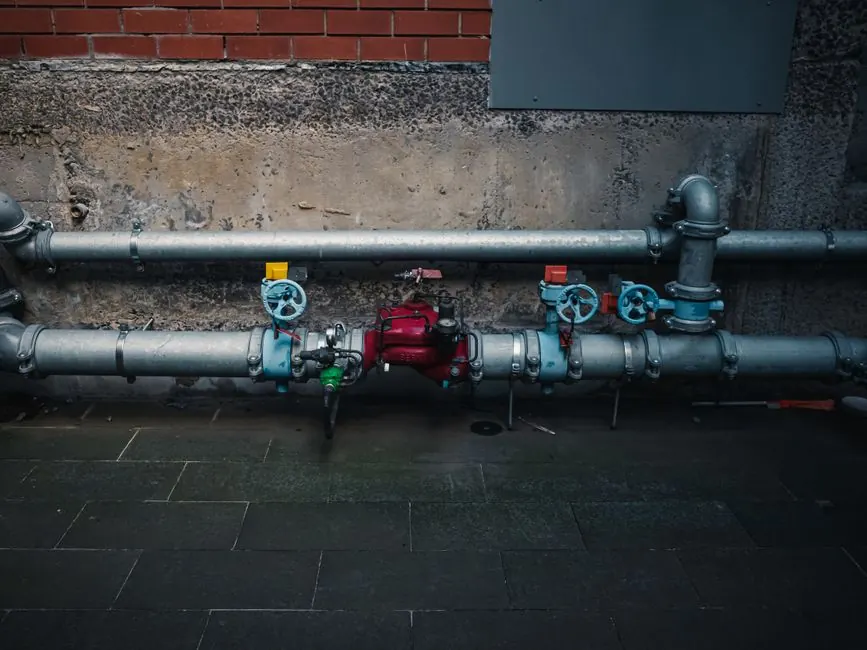
Connections and pressure testing are crucial aspects of maintaining a reliable plumbing system, especially in older homes with galvanized pipes. Properly testing the connections can prevent leaks and ensure that pressure levels are adequate for your household needs. This article will delve into the significance of these processes in the context of galvanized pipe repiping in Cypress, California, and what homeowners should know.
Connections and pressure testing is a method used to assess the integrity of plumbing systems, ensuring that all joints and fittings are secure and functioning correctly. This process is essential for preventing water damage and maintaining optimal water pressure.
What is Connections and Pressure Testing?
Connections and pressure testing involves checking the joints, fittings, and overall plumbing system for leaks and pressure consistency. This testing is vital after installing new pipes or making repairs, particularly with galvanized pipes that are prone to corrosion and wear.
Why is Pressure Testing Important?
Pressure testing is essential for several reasons:
- It identifies potential leaks that could lead to significant water damage.
- It ensures that water pressure is adequate for daily use.
- It helps detect issues before they become major problems, saving on costly repairs.
In Cypress, where many homes feature aging plumbing systems, pressure testing can reveal hidden issues that might otherwise go unnoticed. For example, if you experience low water pressure, it may indicate a problem with the connections or the pipes themselves.
How Connections Affect Your Plumbing System
The connections in your plumbing system play a critical role in its overall performance. Poorly made or corroded connections can lead to leaks, inconsistent water pressure, and even complete system failure. In Cypress, where many homes are older, it's not uncommon to find galvanized pipes that have deteriorated over time.
Every connection should be inspected and tested to ensure it can handle the water pressure required for your household. For instance, a weak joint might fail under high pressure, leading to flooding or water damage. Regular inspections and pressure testing can help prevent such issues.
Common Issues with Pipe Connections
Several common issues can arise with pipe connections, particularly in older galvanized systems:
- Corrosion: Over time, galvanized pipes can corrode, affecting the integrity of connections.
- Loose fittings: Connectors can become loose due to wear and tear, leading to leaks.
- Improper installation: If connections are not installed correctly, they may not withstand the pressure of the water.
Identifying these issues early through pressure testing can save homeowners in Cypress from costly repairs and water damage. For those considering repiping, understanding these common issues is crucial.
When to Call a Professional
If you suspect issues with your plumbing connections or experience unusual water pressure fluctuations, it's advisable to call a professional. Cypress Galvanized Pipe Pros can provide thorough inspections and pressure testing to ensure your plumbing system is in optimal condition. Our team specializes in Galvanized Pipe Repiping Cypress CA and can help address any concerns you may have.
Frequently Asked Questions
1. How often should I perform pressure testing on my plumbing system?
Pressure testing is recommended every few years, especially in older homes or if you notice any signs of leaks.
2. What are the signs that I need to replace my galvanized pipes?
Signs include rust-colored water, low water pressure, and frequent leaks. If you notice these, consider contacting a professional for Corroded Pipe Replacement Cypress CA.
3. Can I perform pressure testing myself?
While some homeowners may attempt it, it's best to hire professionals who have the right tools and expertise to ensure accurate results.
4. What is the cost of pressure testing?
In 2026, typical costs for pressure testing range from $100 to $300, depending on the complexity of your plumbing system.
5. How long does pressure testing take?
Pressure testing usually takes about one to two hours, depending on the size of your plumbing system.