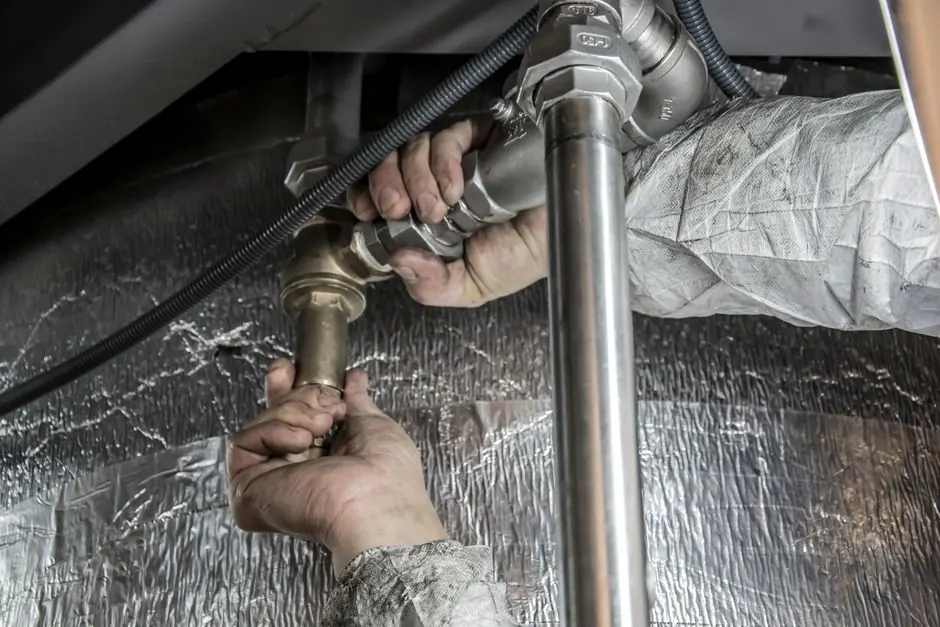
Choosing between PEX and copper pipes for replacing old galvanized plumbing can significantly impact your plumbing system's efficiency and longevity. In Cypress, PEX is often favored for its flexibility and cost-effectiveness, while copper is known for its durability and traditional use. This article will delve into the advantages and disadvantages of both materials to help you make an informed decision.
PEX vs Copper Pipes is a critical choice homeowners face when considering repiping options. Each material has unique properties that can affect installation, maintenance, and overall plumbing performance.
What Are PEX and Copper Pipes?
PEX (cross-linked polyethylene) pipes are flexible plastic pipes used in plumbing systems. They can handle high temperatures and pressures, making them suitable for both hot and cold water lines. Copper pipes, on the other hand, are metal pipes known for their strength and resistance to corrosion.
Advantages of PEX Pipes
PEX pipes offer several advantages that make them an appealing choice for homeowners in Cypress. First, their flexibility allows for easier installation, especially in tight spaces. This can save both time and labor costs during the repiping process.
- Cost-effective: PEX is generally cheaper to purchase and install than copper.
- Resistant to scale and chlorine: PEX does not corrode or develop scale buildup, ensuring better water quality.
- Fewer fittings required: The flexibility of PEX reduces the number of fittings needed, minimizing potential leak points.
- Freeze resistance: PEX can expand slightly if frozen, reducing the risk of bursting.
Advantages of Copper Pipes
While PEX has its benefits, copper pipes also have significant advantages, particularly in terms of longevity and reliability. Copper has been used in plumbing for decades, and many homeowners appreciate its proven track record.
- Durability: Copper pipes can last over 50 years with proper maintenance, making them a long-term investment.
- Resistant to UV rays: Unlike PEX, copper can be used in outdoor applications without degrading.
- Antimicrobial properties: Copper has natural antimicrobial properties, which can help keep your water supply cleaner.
- Higher resale value: Homes with copper plumbing can often command a higher resale value due to the material's reputation.
Cost Comparison of PEX and Copper
In 2026, the cost of repiping with PEX typically ranges from $0.50 to $2.00 per linear foot, while copper pipes can cost between $2.00 and $4.00 per linear foot. Installation costs also vary, with PEX generally being less expensive due to its easier installation process.
For a complete repiping job in a standard Cypress home, you might expect to pay:
- PEX: $1,500 to $3,500
- Copper: $3,000 to $8,000
Durability and Lifespan
When considering durability, copper pipes have the edge with a lifespan of 50 years or more, while PEX typically lasts around 25 years. However, PEX's resistance to freezing and corrosion can make it a more practical choice in specific conditions, especially in areas like Cypress where temperature fluctuations can occur.
Common Mistakes to Avoid
Homeowners often make several common mistakes when choosing between PEX and copper pipes:
- Not considering local building codes, which may dictate the use of specific materials.
- Overlooking the importance of professional installation, which can affect the longevity of the piping.
- Failing to account for future plumbing needs, such as expansions or modifications.
When to Call a Professional
If you are unsure about which material to choose or how to install it, consulting with professionals like Cypress Galvanized Pipe Pros can provide valuable insights. Our team can assess your specific needs and help you make the best choice for your home.
Frequently Asked Questions
1. Which is cheaper, PEX or copper? PEX is generally cheaper to purchase and install than copper, making it a cost-effective option for many homeowners.
2. How long do PEX and copper pipes last? PEX typically lasts around 25 years, while copper can last over 50 years with proper care.
3. Is PEX safe for drinking water? Yes, PEX is safe for drinking water and is approved by various health and safety organizations.
4. Can PEX be used outside? PEX is not recommended for outdoor use unless it is specifically rated for UV exposure.
5. What should I do if I have galvanized pipes? Consider repiping with either PEX or copper to avoid issues like corrosion and water quality problems.